
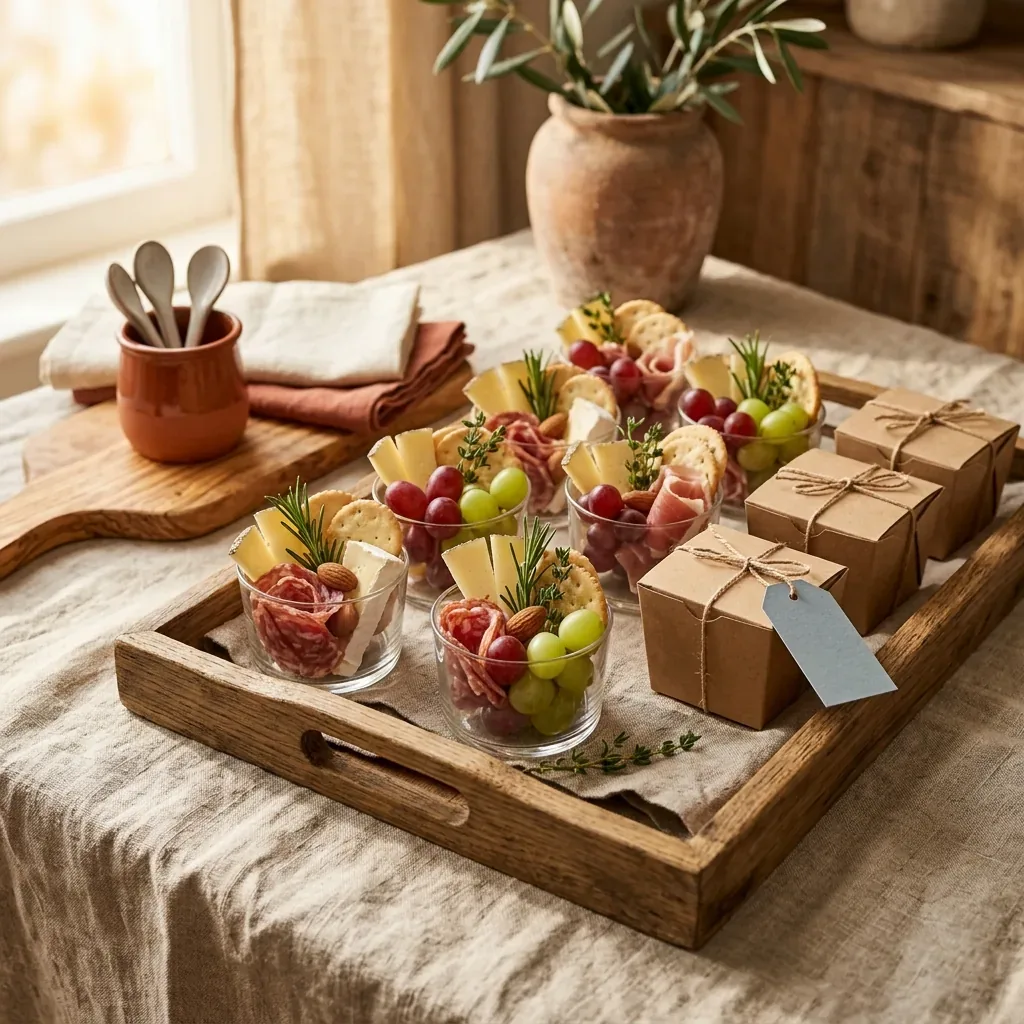
A meal prep business in Ontario cooks meals that customers eat over the following days, so most of the menu is potentially hazardous food as the Food Premises Regulation defines it: food that needs time and temperature control. That food is stored and transported at 4 °C or lower, or 60 °C or higher (O. Reg. 493/17, s.27), and a trained food handler is on site every hour the kitchen operates (s.32). In Ottawa the cooking happens in commercially zoned, inspected premises, which for a new business usually means a rented commercial kitchen. When meals are sold prepackaged, federal labelling applies too: a common name, the ingredients and allergens, a best-before date for food that keeps 90 days or less, storage instructions, a Nutrition Facts table unless an exemption fits, and English and French text in Ottawa.
The Ontario rules start from one definition. O. Reg. 493/17, s.1(1), calls a food service premise any food premise where meals or meal portions are prepared for immediate consumption, or sold or served in a form that will permit immediate consumption on the premises or elsewhere. A cooked meal in a container, ready to eat cold or reheated, is that form. Section 32 then requires the operator of a food service premise to have at least one food handler or supervisor who has completed food handler training on the premises during every hour it operates, so the person cooking on a Sunday prep shift holds the certificate or works alongside someone who does.
The home kitchen is closed to this menu in Ottawa. Ottawa Public Health says home-based food businesses preparing and selling medium- to high-risk food items will not be permitted to operate in residentially zoned locations, and that these foods must be prepared safely in commercially zoned and inspected food premises. OPH's examples of the low-risk food it does allow at home are breads and buns without meat or cream filling, baked goods without custard, chocolate, hard candies, brittles, fudge, toffees, coffee beans and tea leaves, and a meal prep menu of chicken, rice, stews and salads has none of those.
A rented kitchen works for meal prep when its storage fits a whole week's batch. Refrigeration and hot-holding equipment must be big enough to hold all the potentially hazardous food at the s.27 temperatures and carry accurate thermometers that are easy to read (s.30). Food sold frozen is kept frozen until it is sold or prepared for use (s.28). Purchase records stay on the premises until at least the first anniversary of each purchase (s.29(2)), which matters when the kitchen is shared and your paperwork has to live there too. Our commercial kitchen rental guide lists the Ottawa kitchens that publish hourly terms and storage prices.
Labelling is where meal prep parts ways with event catering. The Canadian Food Inspection Agency's labelling requirements checklist sets out the core requirements that apply to all foods under the Food and Drugs Act and the Safe Food for Canadians Act and their regulations: a common name, a net quantity declaration in metric units, a list of ingredients in descending order of proportion by weight, priority allergens, gluten and added sulphites declared in the list or in a contains statement, a cross-contamination statement where allergens may be present unintentionally, and the name and principal place of business. A weekly meal sold sealed in its container carries every one of these items.
Dates and storage follow the same checklist. A best-before date is required for food with a durable life of 90 days or less, unless the food is exempt or packaged where it is sold at retail, and it is written with the words best before and meilleur avant. Storage instructions are required when storage conditions differ from normal room temperature, which describes every chilled meal. Write the best-before date you can defend: test your own dishes for how long they hold in a home fridge, and print the shorter answer.
The Nutrition Facts table is the label item most new meal prep owners hope to skip, and CFIA's exemptions page sets tight limits on the two that look closest. The retail-establishment exemption covers food prepared and processed in one retail establishment and sold only there, or prepared in premises owned by the same person that supply only that establishment; CFIA says it stops applying when those premises supply more than one establishment or company, or sell the product directly to consumers. The exemption for an individual serving sold for immediate consumption excludes food put through a process that extends its durable life, and CFIA lists freezing and special packaging such as modified atmosphere packaging among those processes. A weekly meal pack sold for eating over several days, chilled or frozen, is hard to fit into either, so budget for nutrient values on every recipe or get CFIA's view in writing before printing labels.
In Ottawa, labels go out in English and French. Mandatory information on consumer prepackaged food has to be shown in both official languages (SFCR s.206; FDR B.01.012(2)). The local-food exemption lets a food sold only in the local government unit where it is made, or in adjacent units, use one language, but only where the other official language is the mother tongue of less than 10% of residents. The City of Ottawa's table from the 2021 Census puts French mother tongue at 13.9% of the city's 1,017,450 residents, above that line, so a meal prep business selling across Ottawa prints both languages.
A federal food licence is a narrower question. CFIA says no Safe Food for Canadians licence is required to manufacture, process, package or label food that will be sold and consumed within your province. Delivery across the river to Gatineau is interprovincial trade, where CFIA's licence rules apply to food made for that trade; CFIA's restaurant scenario says a restaurant or other similar enterprise needs no licence when it sends food directly to consumers. Whether a meal prep kitchen counts as a similar enterprise is a question to put to CFIA in writing before the first Quebec delivery.
Delivery is cold-chain work. Section 27 applies while food is transported, so the meals travel at 4 °C or lower in insulated carriers with ice packs or in a refrigerated vehicle, and frozen meals stay frozen (s.28). Set delivery windows short enough that a container sitting on a porch stays inside that rule, or require someone at home to receive it. Print storage and reheating instructions on the label, because the customer's fridge is the last step of your cold chain.
Starting the business itself is a short list in a fixed order. Choose a menu of dishes that hold for several days and reheat well, and drop the ones that lose texture by day three. Price per meal from your own food cost, kitchen hours, packaging and delivery. Settle the label template, nutrient values and French text before the first sale. Book a kitchen block on the same day every week and set an order cut-off far enough ahead to shop once. Then register the business, arrange insurance and notify the health unit, as our guide to catering licences in Ottawa describes.
The Lunch Lady, a Canadian franchise that prepares meals for schools, childcare centres, camps, families, seniors and community programs, publishes its franchise figures. Its franchise site lists an initial franchise fee of $25,000 plus applicable taxes, a royalty of 8% of total gross sales and a 1% ad fund, and a $200,000 total investment that its summary says includes the fee; its FAQ describes the same $200,000 as the estimated start-up cost to set up a commercial kitchen, so ask for itemised figures in the disclosure document. It recommends at least $50,000 in cash flow for the first year. Its partners prepare meals in inspected commercial kitchens, leased and typically at least 140 square metres or 1,500 sq. ft., with an initial term of 10 years and an option to renew for 5. Before paying any franchisor, read our guide to franchise disclosure laws by province.
OH! Catering builds styled tables for events in Ottawa. OH! is preparing a partner programme; interest can be registered on our catering franchise page.
Meal prep and event catering, side by side
| Aspect | Meal prep | Event catering |
|---|---|---|
| When the food is eaten | Over the following days, at home | Within hours, at one event |
| Packaging | Sealed containers sold as they are | Platters and tables served on site |
| Labels | Federal core labelling for prepackaged food | Ingredient and allergen cards on the table |
| Date marking | Best-before date when durable life is 90 days or less | A set time when perishable items come down |
| Ordering rhythm | Weekly cut-off and delivery days | One booking per date |
| Ontario food rules | O. Reg. 493/17, ss.27, 28, 30 and 32 | O. Reg. 493/17, ss.27, 30 and 32 |
Label checklist for a prepackaged meal sold in Ottawa
| Item | Rule | Where it comes from |
|---|---|---|
| Common name | On the principal display panel | CFIA labelling requirements checklist |
| Net quantity | Metric units | CFIA labelling requirements checklist |
| Ingredients | Descending order by weight | CFIA labelling requirements checklist |
| Allergens, gluten, added sulphites | In the ingredient list or a contains statement | CFIA labelling requirements checklist |
| Best before / meilleur avant | Durable life of 90 days or less | CFIA labelling requirements checklist |
| Storage instructions | When storage differs from room temperature | CFIA labelling requirements checklist |
| Nutrition Facts table | Unless an exemption fits | FDR B.01.401, CFIA exemptions page |
| English and French | Local-food exemption fails at 13.9% French mother tongue | SFCR s.206; FDR B.01.012 |
The Lunch Lady franchise, as published on its franchise site (seen 26 October 2026)
| Item | Published figure |
|---|---|
| Initial franchise fee | $25,000 plus applicable taxes |
| Royalty | 8% of total gross sales |
| Ad fund | 1% of total gross sales |
| Total investment | $200,000; the summary says the fee is included, the FAQ calls it the kitchen start-up cost |
| Recommended first-year cash flow | At least $50,000 |
| Kitchen | Leased, inspected commercial kitchen, typically 1,500 sq. ft. or more |
| Term | 10 years, with an option to renew for 5 |
Common questions
Can I cook meals to sell from home in Ontario?
No in Ottawa: Ottawa Public Health says home-based businesses preparing medium- to high-risk food are not permitted in residentially zoned locations, and that such food must be prepared in commercially zoned and inspected food premises. Elsewhere in Ontario the answer depends on local zoning and the health unit, and a home kitchen making cooked meals has to meet the full Food Premises Regulation.
Do meal prep containers need a nutrition label in Canada?
Yes, in most cases, when the meals are sold prepackaged. CFIA says the retail-establishment exemption stops applying when off-site preparing premises sell the product directly to consumers, and the immediate-consumption exemption excludes food that is frozen or specially packaged to last longer. Check each product against the exemptions in FDR B.01.401 before printing labels.
Do I need a federal licence to sell meal prep in Ontario?
No, for meals made and sold within Ontario: CFIA says no Safe Food for Canadians licence is needed to make, package or label food sold and consumed within your province. Deliveries to Gatineau are interprovincial trade, so ask CFIA in writing whether its restaurant exemption covers your business before the first one.
Is there a meal prep franchise in Canada?
Yes. The Lunch Lady, a Canadian meal franchise, publishes its numbers: a $25,000 franchise fee plus taxes, an 8% royalty and 1% ad fund on gross sales, and a $200,000 total investment that its summary says includes the fee. Its partners prepare meals for schools, childcare centres, camps, families and seniors in leased, inspected commercial kitchens.
How is a meal prep business different from catering?
Timing and labelling: meal prep food is eaten over the days after cooking, so it leaves the kitchen packaged, dated and labelled under federal rules, while event catering is served within hours at one event. Both follow Ontario's Food Premises Regulation on temperature and food handler training.
How to Start a Meal Prep Business in Ontario — the short version
- Meals held at 4 °C or lower, or 60 °C or higher, in storage and transport (O. Reg. 493/17, s.27).
- A trained food handler on site every hour the kitchen operates (s.32).
- Ottawa keeps medium- and high-risk food out of home kitchens; meal prep runs from commercially zoned, inspected premises.
- Prepackaged meals carry a common name, ingredients and allergens, a best-before date (durable life of 90 days or less) and storage instructions.
- Plan for a Nutrition Facts table: CFIA's retail exemption stops when off-site premises sell directly to consumers.
- French mother tongue is 13.9% in Ottawa, above the 10% line, so labels are bilingual.
- The Lunch Lady franchise: $25,000 fee, 8% royalty plus 1% ad fund, $200,000 total investment.
Sources: Ontario — O. Reg. 493/17 Food Premises, ss.1, 27, 28, 29, 30 and 32; Ottawa Public Health — Starting a low-risk home-based food business; CFIA — Food labelling requirements checklist; CFIA — Nutrition labelling: exemptions (FDR B.01.401); CFIA — Bilingual food labelling (SFCR s.206, FDR B.01.012); CFIA — Food business activities that require a licence under the SFCR, ss.3.2 and 5.2; City of Ottawa — 2021 Census, French mother tongue population by ward; The Lunch Lady — franchise information and FAQ (seen 26 October 2026).
OH! Catering is preparing a franchise for styled share tables and Ukrainian dishes. Read about The OH! Catering franchise.
Thinking of opening a catering business?
OH! is looking for its first franchise partners. The application takes two minutes, and the terms come in a disclosure document before anything is signed.
Apply for the franchise