Grazing Tables · Ottawa

Grazing Tables in Ottawa

A whole table with a point of view.

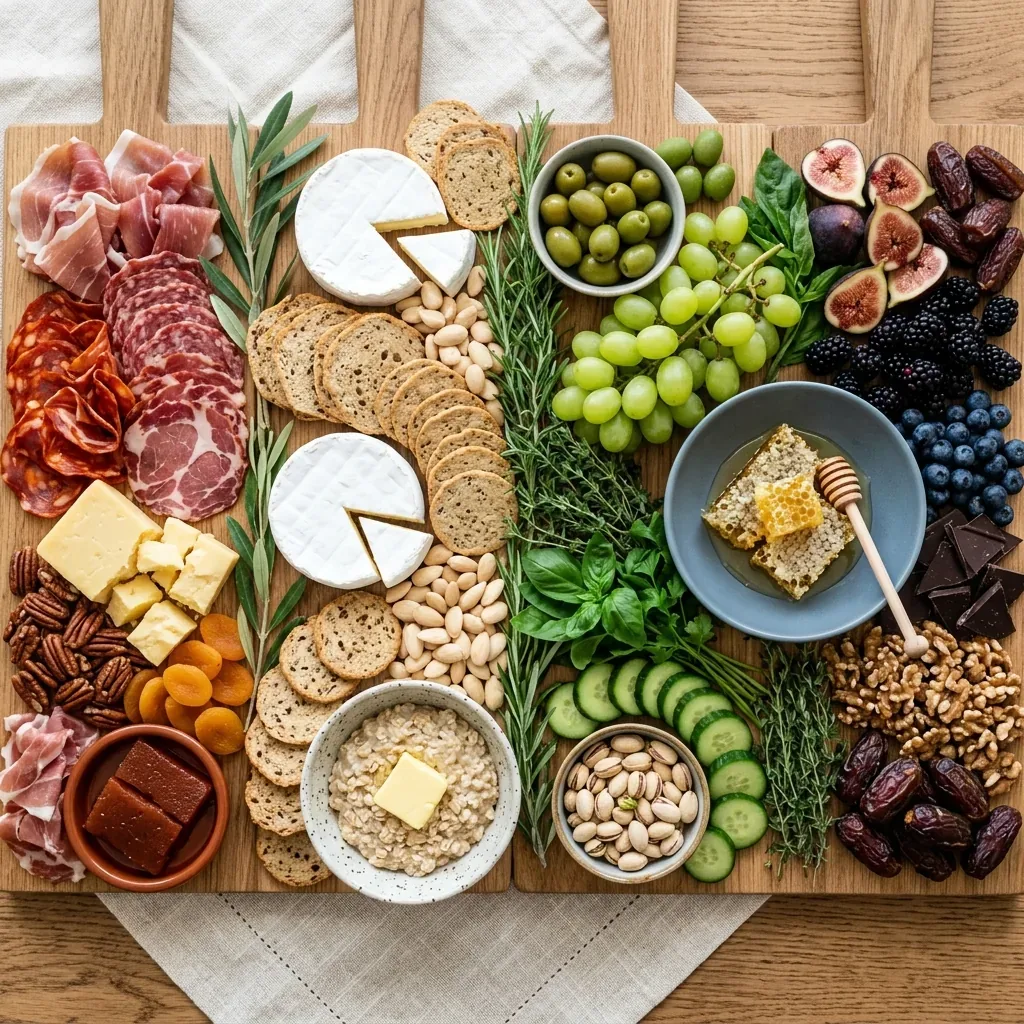
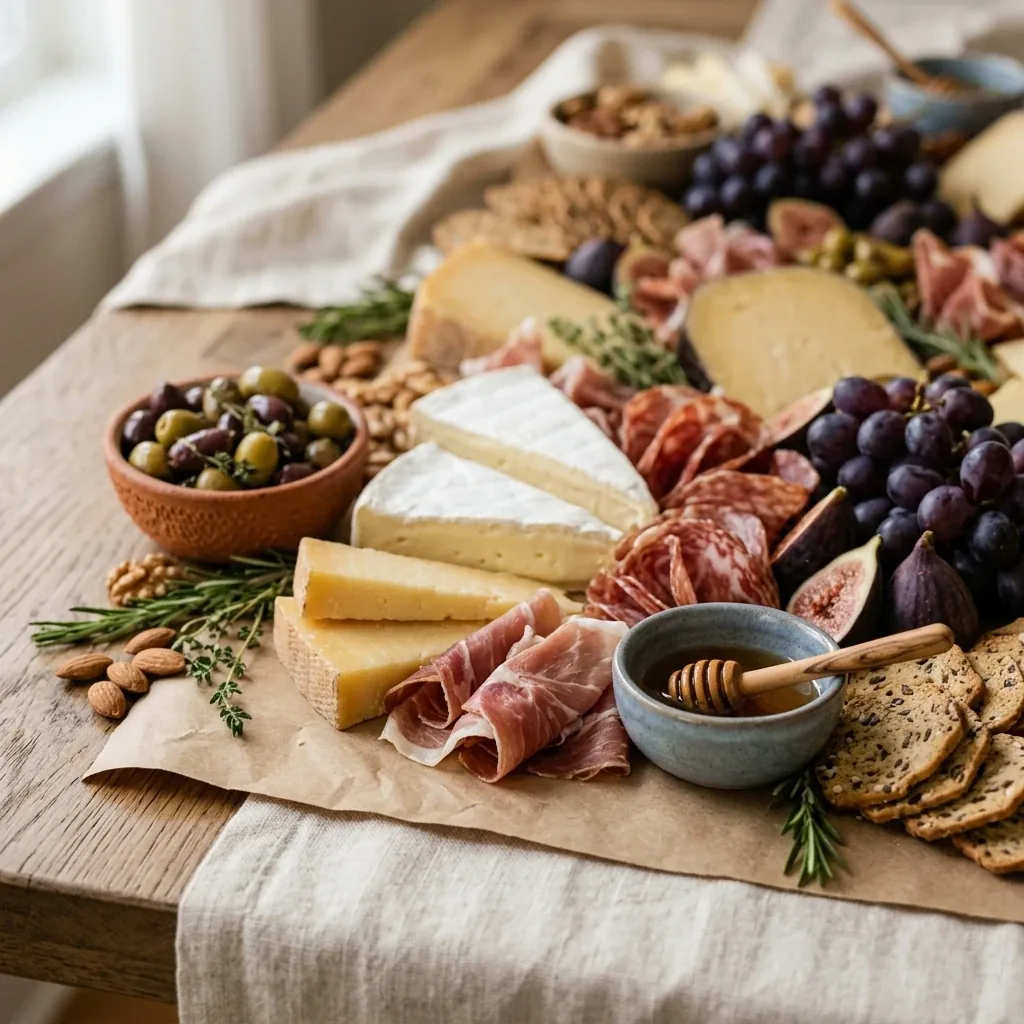
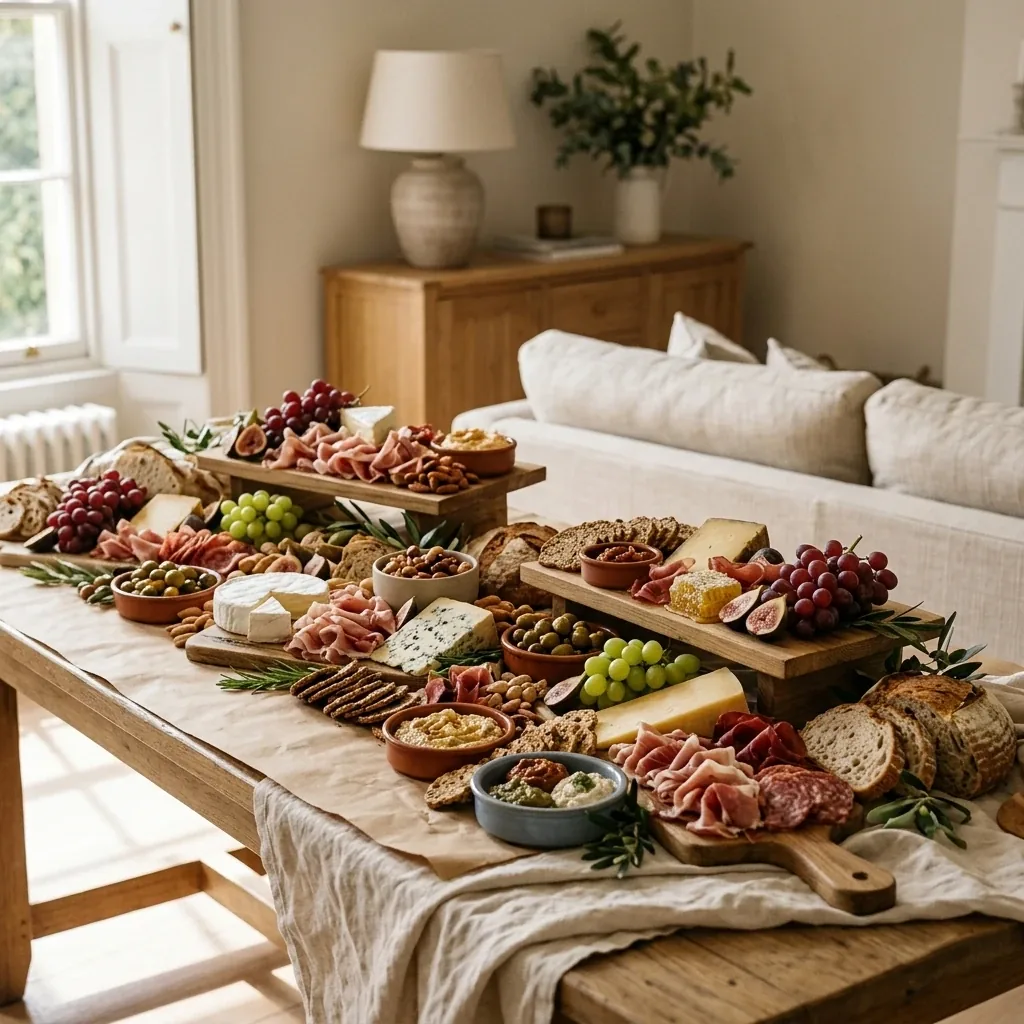
A grazing table is one continuous surface composed as a single landscape: cheese, cured meat, vegetables, fruit, breads, dips, savoury bites and sweets, layered with height and colour so guests read the whole thing from the doorway. This page covers the format end to end — the six categories it balances, the table length a guest count needs, how long the on-site build takes, how long the display holds, and what the number is. Boards, individual graze cups and closed boxes are the small-format versions of the same thinking and are covered further down. OH! builds these across Ottawa at roughly 12 to 50 guests.

A styled celebration table laid with shared food, boards and small bites.

The OH! approach

A beautiful party table,
ready when your guests arrive.

01

Six categories, in balance

A grazing table stays interesting because it covers six jobs at once. Hold all six and the display survives a seasonal ingredient swap without losing its shape, because each swap happens inside a category. The item list is composed for your event and arrives in writing with the quote; the categories below are the frame it is composed inside.

  • Rich — a hard cheese, a soft cheese, a blue if the guest list will eat one, plus cured meat and one spreadable
  • Fresh — seasonal fruit, cut vegetables, whole herbs used as part of the layout
  • Salty — marinated olives, cornichons, roasted peppers, pickled vegetables
  • Crunchy — seeded crackers, crostini, breadsticks, toasted or candied nuts
  • Substantial — tartlets, mini sandwiches, filled pastry, arancini, skewers
  • Sweet — small pastries, chocolate, dried and fresh fruit to finish
02

How much table length a guest count needs

Two different measurements decide the surface. Volume: a 1.8 m trestle — the standard six-foot folding table — carries a grazing display for roughly twenty to twenty-five guests at appetiser level, a 2.4 m surface takes thirty to forty, and fifty guests want two 1.8 m tables joined or run as a pair. Access: allow about 30 cm of open table edge for every guest standing at it in the same moment, which is why a table pushed against a wall queues twice as long as one you can walk around. Depth of 75 to 90 cm gives the layering somewhere to go; under 70 cm the composition flattens and stops carrying across a room.

  • 1.8 m surface — twenty to twenty-five guests, appetiser level
  • 2.4 m surface — thirty to forty guests
  • Fifty guests — two 1.8 m tables, joined or run as a pair
  • Both long sides open where the floor plan allows it
03

Grazing as the meal, and grazing before one

This single decision moves the quote more than any other. At appetiser level, plan five to seven pieces per guest across a ninety-minute window and let the rich and crunchy categories carry the display. Where the table replaces dinner, the substantial savoury category roughly doubles, the count goes to twelve to fifteen pieces per guest, and the table needs a planned second wave held back in the van and released after the first hour. We settle which role the table is playing before the quote goes out, because the two answers are a long way apart.

04

Composed, layered, legible

Composition is what separates a grazing table from a number of boards pushed together. Risers under boards build height at the back, negative space gives the eye somewhere to rest, and colour is grouped into runs so a guest can identify five things in the first second and find the sixth by looking. Cured meat is folded and stood up so it holds shape for three hours. Cut fruit goes down last, because it weeps within the hour and takes the crackers next to it with it.

05

Seasonal composition, Ottawa specifics

A January table and a July table are different objects. Through the Ottawa winter the fresh category leans on citrus, pears, dried and preserved fruit and roasted root vegetables, with aged and washed-rind cheeses doing the heavy lifting and warm spice in the sweets. From late June the balance flips: field strawberries, then peaches and plums, tomatoes, cucumber, soft fresh cheeses and herbs cut the same morning. A February brief asking for a berry-heavy display gets an honest conversation about what is going to arrive looking like the photograph.

06

How long a grazing table holds

Two hours is the working guideline for a display carrying dairy and cured meat at ambient temperature, and the window shortens in a warm room or outdoors above 25°C. Events longer than that are quoted with replenishment built in, so the surface still reads full at the ninety-minute mark when most photographs get taken. Cut fruit, dressed leaves and anything with a soft centre go out in the second wave for exactly this reason.

07

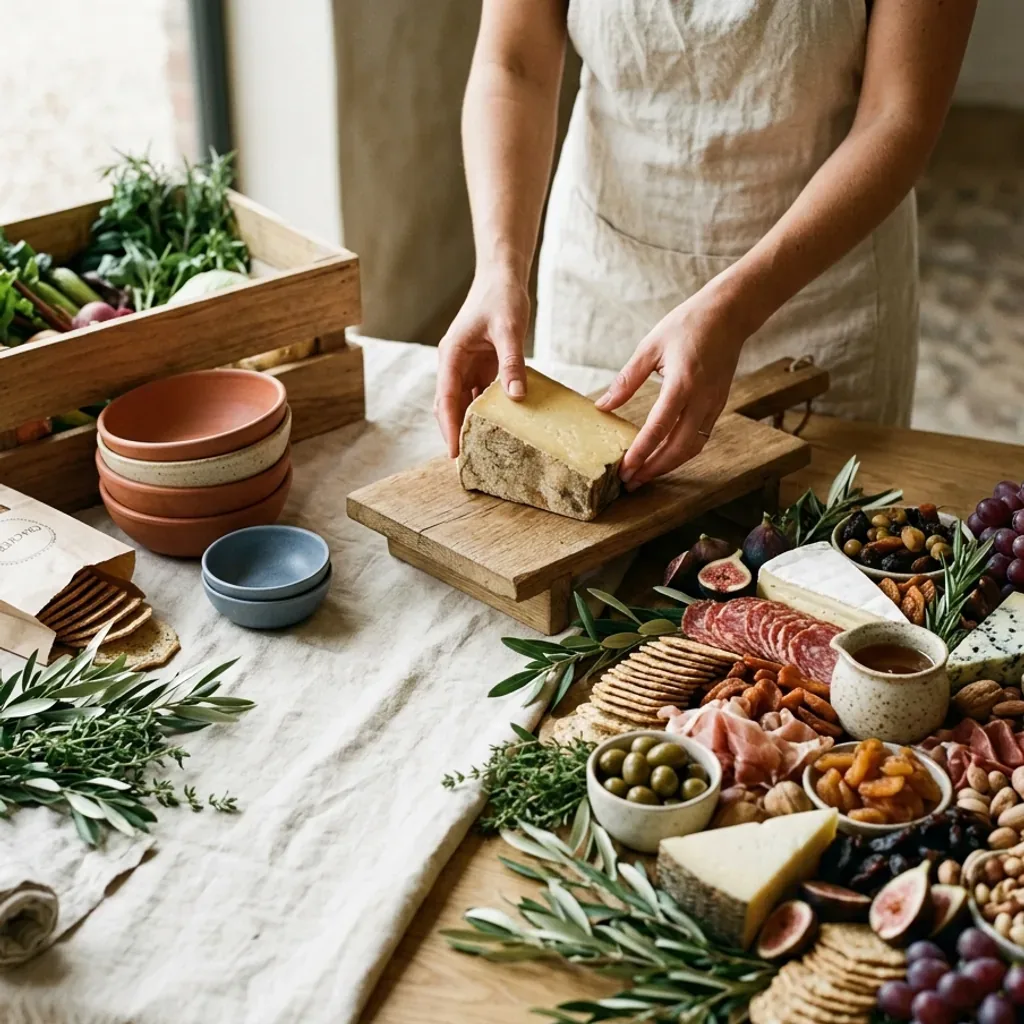
The build, on site, in your space

A layered display cannot survive a car journey, so it is composed where it will be eaten. Setup runs roughly 45 to 90 minutes depending on length, which means the arrival time is agreed to land before your guests. Delivery and on-site styling are $45 within 25 km.

  • On-site build of 45 to 90 minutes, timed to finish before doors
  • Boards, risers, linens and serving pieces arrive with the food
  • Pack-down the same evening, or collection the next morning by arrangement
  • Leftovers boxed and left with the host before we go
08

What the host takes care of

A short list, and it is worth settling early because each item changes the build time.

  • The table surface itself, with its length and depth sent to us in advance
  • Where the table stands, and a clear approach for carrying boxes to it
  • Somewhere to park for the loading window, which matters most downtown
  • Guest plates, napkins and cutlery, confirmed at quote stage so nothing gets bought twice
  • A bin, and fridge space where the event runs long enough to need a second wave chilled
09

Boards for six to twelve guests

Below about twelve people a single generous board reads better across a dining table than a thin display stretched over six feet. The same six categories apply, compressed into one composition, with height built from the board and the food itself. A board travels intact, so it can be dropped and left where a full table cannot.

10

Individual graze cups

Cups answer two situations. Seated rooms, where a shared surface is out of reach for half the guests. And events where people would prefer their own portion on a shared afternoon. Each cup is a complete small spread across the categories, and dietary variants are made as their own batch and labelled individually so the right cup reaches the right guest.

11

Closed boxes that leave the building

Boxes are the format for client gifting, thank-yous, welcome drops for out-of-town guests and anything travelling by car. They are built to arrive intact and to be opened by somebody who was nowhere near the planning conversation, so the contents card carries more of the load than a table card would.

  • Client gifting and thank-yous, quoted per drop
  • Welcome boxes for guests arriving from out of town
  • Seated meetings where a shared surface is impractical
  • Dietary variants made as separate batches and labelled individually
12

Where a board stops and a table starts

Around fifteen guests. Below that a generous board wins on both looks and cost. Above it the table earns the extra surface, and by twenty-five guests a single board looks under-scaled however well it is built. Between twelve and eighteen we ask what the surface is before recommending either.

13

Labelling a surface people eat from directly

A shared table makes cross-contact a planning question with real weight. Share dietary preferences and allergy information when you enquire. We plan suitable choices and label the table clearly. For severe or life-threatening allergies we talk through cross-contact before you book, and we cannot guarantee allergen-free preparation on a shared table.

14

What a grazing table costs

Styled tables start at $42 per guest, plus applicable taxes, and the working range runs $42–$65 per guest, with the top of it being tables that replace a meal. Your quote is built from four things: guest count, table format, how long the event runs and the setup the room needs, and it separates food, styling and delivery so each part of the number is visible. The event minimum is $600 before delivery and taxes. Delivery and on-site styling are $45 within 25 km. Past that, the charge is quoted for your address before you book. Our pricing page carries the worked examples, the deposit and the cancellation terms in full.

15

The honest state of things

OH! is a new Ottawa business, so there is no review page to send you to and no gallery of our own events yet. The imagery on this site is generated for the brand and shows the style of table we build. What you can have before you commit is a written menu for your date, a written quote that separates food, styling and delivery, and the terms above in writing.

Questions, answered

Before you
say OH!

How far in advance should I book catering in Ottawa?

Two to four weeks is a comfortable planning window for a styled table. December dates, long-weekend Saturdays and shower season fill earliest, and short-notice weekday events are always worth asking about.

How do you handle allergies and dietary requirements?

Share dietary preferences and allergy information when you enquire. We plan suitable choices and label the table clearly. For severe or life-threatening allergies we talk through cross-contact before you book, and we cannot guarantee allergen-free preparation on a shared table.

What does a styled table cost?

Styled tables start at $42 per guest, plus applicable taxes, and the working range runs $42–$65 per guest, with the top of it being tables that replace a meal. Your quote is built from four things: guest count, table format, how long the event runs and the setup the room needs, and it separates food, styling and delivery so each part of the number is visible. The event minimum is $600 before delivery and taxes. Delivery and on-site styling are $45 within 25 km. Past that, the charge is quoted for your address before you book.

What are the deposit, cancellation and final-count terms?

A 30% deposit and a signed quote hold your date, and the balance is due 3 days before the event. Move or cancel more than 14 days out and the deposit is refunded; inside that window it covers the sourcing already committed. Final guest count is due 7 days before the event. After that the shopping list is set: numbers can still rise, and the count stops coming down. Every figure is quoted plus applicable taxes.

Where do you deliver?

We serve the City of Ottawa, Ontario. Kanata, Stittsville, Nepean, Barrhaven, Westboro, the central neighbourhoods, Orléans, Manotick and Riverside South sit inside the standard delivery area, where delivery and on-site styling are $45. Past 25 km the delivery charge is quoted for your address and appears on the quote before you book.

How do I reach you?

Call +1 613 710-0554 with your date, guest count and neighbourhood, or send the same details through the enquiry form. We answer every enquiry within one business day, and the reply names the next step and the date being held while we talk.

What happens after I enquire?

We answer every enquiry within one business day, and the reply names the next step and the date being held while we talk. You send the date, guest count, neighbourhood and a sentence about the room. We reply with a starting format and the two or three questions that move the quote. You get one written quote separating food, styling, delivery and travel, with terms attached. A signed quote and deposit hold the date, then the menu is finalised around season and dietary needs. We arrive ahead of guests, build the table in the room and take the serving pieces away afterwards.

Is a grazing table the same as a charcuterie board?

A charcuterie board is one platter built around cured meat, cheese and accompaniments, usually for six to twelve people. A grazing table is a whole surface with six food categories, height, styling elements and on-site composition. Different scale, different job.

How long can a grazing table stay out?

Two hours is the working guideline for a table holding dairy and cured meat at room temperature, and less on a warm day outdoors. Longer events are planned with a replenished second wave rather than a single display left standing.

How many people does one board serve?

A board built as an appetiser serves roughly six to twelve depending on its size and what else is being served. As the only food at a gathering, halve that figure and add a substantial savoury item alongside.

Can boxes be delivered to multiple addresses?

Yes, and it is common for client gifting. Multi-address delivery is quoted per drop, so send the list of postcodes with your enquiry and the number comes back accurate rather than estimated.

Have a date in mind?

Let’s make the table the easiest part of the party.

Request your date →